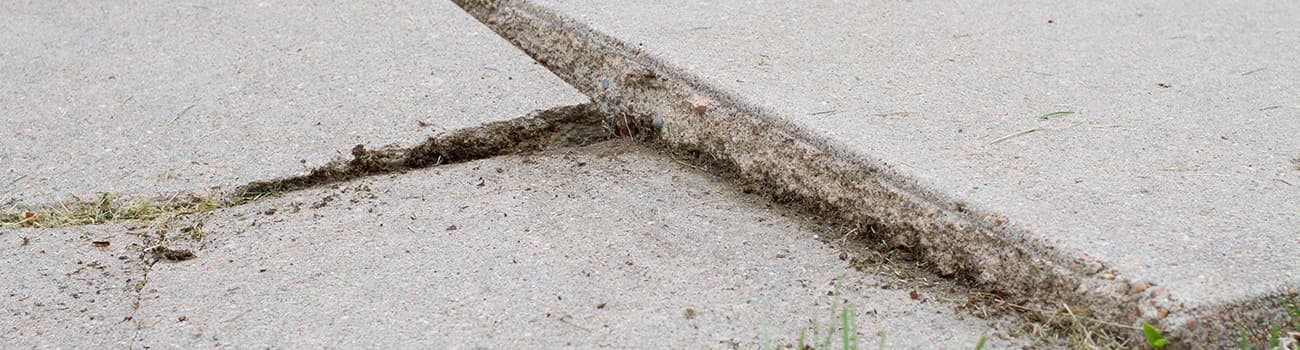
Are Small Cracks in Walls Normal? Signs Your Home May Have Foundation Problems
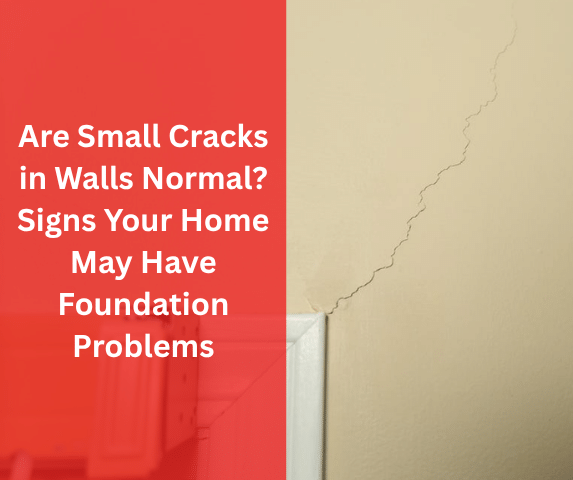
Picture this: you’re relaxing at home after a long day when you suddenly notice a thin crack stretching across your wall. At first, it seems harmless — maybe just aging drywall or normal settling. But then you start wondering: Are small wall cracks normal, or could they be signs of a foundation problem?
For homeowners throughout Southern California, wall cracks are incredibly common. However, while some cracks are harmless cosmetic issues, others may signal serious foundation settlement, shifting soil conditions, or structural movement beneath your home. Before you patch over that crack, it’s important to understand what your home may be trying to tell you.
What Causes Small Cracks in Walls?
Not all cracks mean your home is in danger. In many cases, small hairline cracks can form naturally over time as a house adjusts to environmental changes and normal settling conditions.
1. Normal House Settling
Most homes experience some degree of settling after construction. As the soil beneath a house compresses and adjusts, minor movement can occur within the structure. This often leads to small hairline cracks in drywall, plaster, or ceilings.
Newer homes are especially prone to minor settling during the first few years after construction. In fact, the National Association of Home Builders reports that the majority of new homes will experience some level of settling shortly after being built.
These types of cracks are usually:
- Thin hairline cracks
- Smaller than 1/8 inch wide
- Located around door frames, windows, or drywall seams
- Stable and not growing over time
Minor settling cracks are often considered cosmetic and usually do not indicate major structural problems.
2. Temperature & Humidity Changes
Your home constantly expands and contracts due to changes in temperature and moisture levels. Southern California homes experience regular fluctuations in heat, dry conditions, and occasional moisture intrusion, all of which can impact building materials over time.
Drywall, wood framing, and plaster naturally expand and shrink as humidity and temperature change. This movement can create small surface cracks, particularly during seasonal weather transitions.
Homes located in inland Southern California areas such as:
- Riverside
- San Bernardino
- Palmdale
- Lancaster
often experience more noticeable expansion and contraction due to extreme temperature swings.
3. Poor Construction or Weak Soil Conditions
Sometimes wall cracks develop because of underlying construction or soil-related problems. Poor soil compaction beneath a foundation, improperly cured concrete, or inadequate drainage systems can all contribute to early settlement issues.
Homes built on expansive clay soils or improperly compacted fill soils are especially vulnerable to:
- Foundation settlement
- Slab movement
- Concrete cracking
- Uneven floors
- Structural shifting
These conditions are common throughout many Southern California communities where hillside construction and expansive soils are prevalent.
When Should You Worry About Wall Cracks?
While small cosmetic cracks are often harmless, some cracks may indicate serious structural foundation issues that require professional evaluation.
Signs Your Wall Cracks May Be Foundation-Related
Wide or Expanding Cracks
If cracks become wider than approximately 1/4 inch or continue growing over time, this may indicate active structural movement beneath the home.
Diagonal Cracks
Diagonal cracks running across walls, ceilings, or foundations are often associated with differential settlement and uneven foundation movement.
Cracks Above Doors and Windows
Cracks forming near door frames or window openings often occur when portions of the structure shift unevenly due to foundation settlement.
Doors and Windows Sticking
If doors or windows suddenly become difficult to open or close, your home may be shifting due to structural movement beneath the foundation.
Uneven or Sloping Floors
Sagging or sloping floors often indicate weakened support beneath the structure caused by settlement, crawl space issues, or underlying soil voids.
Exterior Foundation Cracks
Cracks appearing directly in the concrete foundation or stem wall should always be professionally evaluated to determine whether structural movement is occurring.
Why Foundation Problems Are Common in Southern California
Foundation settlement issues are extremely common throughout Southern California due to the region’s unique soil and environmental conditions. Homes throughout:
- Los Angeles
- San Diego
- Riverside
- Anaheim
- Santa Clarita
often experience foundation movement caused by:
- Expansive clay soils
- Hillside movement
- Drought conditions
- Soil erosion
- Plumbing leaks beneath slabs
- Improper drainage
- Earthquake activity
- Poor soil compaction during construction
Over time, these conditions can create underlying voids beneath foundations and concrete slabs, causing structures to sink unevenly and crack.
How Saber Foundation & Concrete Repair Can Help
At Saber Foundation & Concrete Repair, we specialize in diagnosing and permanently repairing foundation settlement problems throughout Southern California.
Our team provides comprehensive structural evaluations to determine whether your wall cracks are harmless cosmetic issues or signs of a more serious foundation problem.
Our Foundation Repair Solutions Include:
- Push pier foundation stabilization
- Helical pier installation
- PolyLevel® concrete lifting and void filling
- Crawl space support systems
- Foundation crack repair
- Structural slab stabilization
- Retaining wall stabilization
- Helical tieback systems
Every home receives a customized repair plan designed specifically for the soil conditions and structural needs of the property.
Don’t Ignore the Warning Signs
Small cracks may seem harmless today, but foundation problems rarely improve on their own. Waiting too long can allow settlement to worsen, leading to larger structural repairs, more severe cracking, and higher repair costs down the road.
If you’ve noticed wall cracks, sticking doors, uneven floors, or other signs of settlement, scheduling a professional foundation inspection can help identify the problem before it becomes more serious.
Contact Saber Foundation & Concrete Repair today to schedule a free foundation inspection and learn whether your wall cracks are cosmetic — or a warning sign of deeper structural movement beneath your home.
