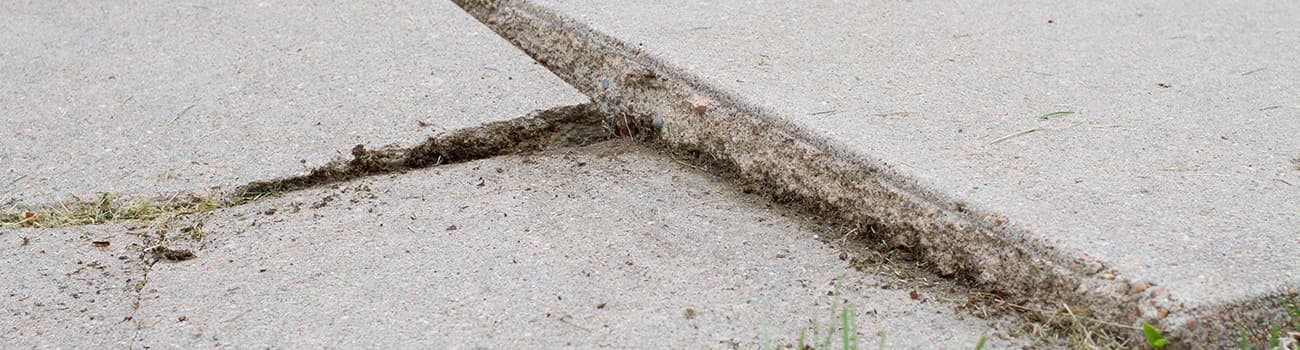
How New Construction Underpinning Protects Against Future Foundation Problems
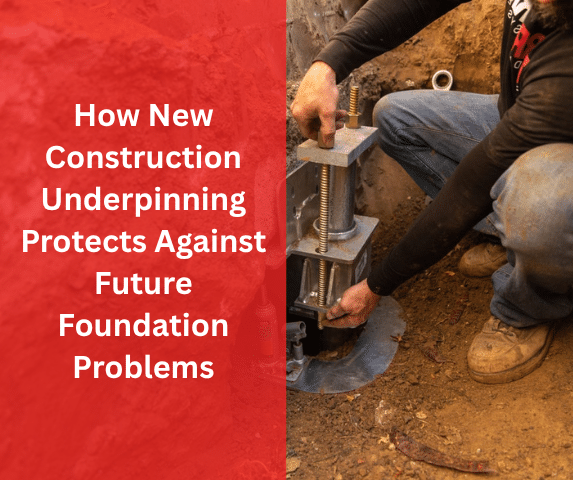
When planning a new home or commercial building project, one of the most important decisions involves the foundation system beneath the structure. A building is only as strong as the soil and support system holding it up. If the foundation is not properly reinforced during construction, it can lead to costly structural repairs, foundation settlement, concrete cracking, and long-term safety concerns later on.
One of the most effective ways to protect a structure from future foundation issues is through new construction underpinning. By strengthening and stabilizing the foundation during the construction phase, property owners can significantly reduce the risk of settlement, shifting soils, and structural movement before problems ever begin.
Throughout Southern California — especially in areas with expansive clay soils, hillside construction, seismic activity, and poorly compacted fill — proactive foundation reinforcement is one of the smartest long-term investments a homeowner or developer can make.
What Is Underpinning in New Construction?
Underpinning is a structural foundation reinforcement method designed to strengthen and stabilize a building by transferring the structural load onto deeper, more stable load-bearing soil beneath the surface.
Unlike foundation repair performed after settlement damage has already occurred, underpinning during new construction is a preventative solution. It allows builders to proactively reinforce the structure before soil movement or settlement becomes a problem.
Common underpinning systems include:
- Helical piers
- Push piers
- Deep foundation systems
- Helical anchors
- Structural slab supports
These systems are commonly installed beneath:
- Residential homes
- Hillside homes
- Multi-story structures
- Commercial buildings
- Additions and expansions
- Retaining walls
Why Southern California Homes Often Need Underpinning
Homes and commercial properties throughout Southern California frequently experience foundation movement due to difficult soil and environmental conditions. Areas such as:
- Los Angeles
- San Diego
- Riverside
- Anaheim
- Santa Clarita
commonly deal with:
- Expansive clay soils
- Hillside instability
- Drought-related soil shrinkage
- Seismic activity
- Poor soil compaction
- Erosion and washout
- Water intrusion beneath slabs
Without proper deep foundation support, these conditions can eventually cause:
- Foundation settlement
- Wall cracking
- Uneven floors
- Sinking concrete
- Structural shifting
- Crawl space movement
- Retaining wall failure
1. Underpinning Helps Prevent Foundation Settlement
Foundation settlement occurs when the soil beneath a structure cannot adequately support the weight of the building. As the soil compresses or shifts, portions of the foundation begin sinking unevenly.
This can lead to:
- Cracked walls
- Slab cracking
- Misaligned doors and windows
- Sagging floors
- Structural instability
By installing helical piers or push piers during construction, builders can anchor the structure into deeper, more stable supporting soils before settlement occurs.
This is especially important in Southern California communities built on:
- Loose fill soils
- Expansive clay
- Hillside terrain
- Coastal erosion zones
Preventing settlement during construction can save property owners tens of thousands of dollars in future foundation repair costs.
2. Underpinning Protects Against Soil Movement
Soil conditions beneath a structure are constantly changing. Moisture fluctuations, drought cycles, plumbing leaks, and erosion can all affect soil stability over time.
In Southern California, dry conditions followed by heavy rainfall can cause significant soil expansion and contraction beneath foundations. This repeated movement creates stress beneath slabs and footings that may eventually lead to structural settlement.
Deep foundation underpinning systems help protect buildings by transferring the structural load below the unstable upper soil layers and into more competent supporting strata beneath the surface.
This added stability significantly reduces the likelihood of future foundation movement caused by changing soil conditions.
3. Underpinning Improves Earthquake Resistance
Southern California’s seismic activity makes foundation reinforcement especially important for both residential and commercial construction projects.
During an earthquake, poorly supported foundations are far more likely to experience:
- Structural shifting
- Foundation cracking
- Lateral movement
- Slab separation
- Retaining wall failure
Underpinning systems such as:
- Helical piers
- Push piers
- Helical tiebacks
- Deep foundation anchors
can help strengthen a structure’s connection to stable supporting soils beneath the surface.
When combined with proper seismic engineering, underpinning helps improve structural performance during earthquakes while reducing the risk of catastrophic foundation failure.
4. Deep Foundation Systems Support Larger Structures
As homes and commercial buildings become larger and heavier, the demands placed on the foundation system increase significantly.
Without proper reinforcement, heavy structures may eventually experience:
- Differential settlement
- Slab deflection
- Structural sagging
- Uneven load distribution
- Concrete cracking
Underpinning helps distribute structural loads more evenly while reinforcing the foundation beneath:
- Multi-story homes
- Commercial buildings
- Apartment complexes
- Hillside homes
- Large additions
Deep foundation systems help maintain structural stability even under significant weight loads.
5. Underpinning Helps Future-Proof the Property
Many property owners eventually plan:
- Home additions
- Second-story additions
- ADUs
- Pool installations
- Commercial expansions
- Heavy equipment installations
Without adequate foundation support, these additions can increase the risk of settlement and structural movement.
By installing underpinning systems during the original construction phase, the structure is better prepared to handle future loads and modifications without requiring expensive retrofitting later.
6. Foundation Reinforcement Increases Property Value
A structurally reinforced foundation is a major advantage for both homeowners and commercial property investors. Buyers are often willing to pay more for properties with professionally engineered foundation systems because they reduce the risk of future structural issues.
Strong foundations can also:
- Improve resale value
- Simplify inspections
- Improve financing approval
- Lower long-term repair risks
- Increase buyer confidence
In competitive Southern California real estate markets, documented foundation reinforcement can become a major selling point.
Common Underpinning Systems Used in New Construction
Helical Piers
Helical piers are steel foundation supports with helical plates that are mechanically advanced deep into stable soils. These are ideal for:
- New construction
- Hillside homes
- Retaining walls
- Expansive soil conditions
Push Piers
Push piers are hydraulically driven steel foundation supports designed to transfer structural loads into deeper load-bearing soils. These are commonly used for:
- Heavy structures
- Settlement prevention
- Deep stabilization
Helical Tiebacks
Helical tiebacks help stabilize:
- Retaining walls
- Hillside structures
- Lateral soil pressure issues
Why Builders Choose Saber Foundation & Concrete Repair
At Saber Foundation & Concrete Repair, we specialize in engineered underpinning and deep foundation systems designed specifically for Southern California soil conditions.
Our team works with:
- Homeowners
- Builders
- Developers
- Engineers
- Commercial contractors
to design long-term stabilization solutions that help prevent future foundation problems before construction is complete.
Our underpinning solutions include:
- Helical pier installation
- Push pier systems
- Foundation stabilization
- Retaining wall stabilization
- PolyLevel® void filling
- Structural reinforcement systems
Build It Right the First Time
Foundation problems rarely get better with time. Waiting until settlement damage appears can lead to expensive repairs, structural instability, and significant disruptions later on.
By incorporating underpinning into the construction process from the beginning, property owners can help protect their investment, improve structural stability, and reduce the risk of future foundation settlement and soil movement.
If you’re planning a new construction project in Southern California, contact Saber Foundation & Concrete Repair today to learn more about our professional underpinning and deep foundation stabilization solutions designed to protect your property for decades to come.
