How Storm Surge and Coastal Erosion Can Damage Your Home's Foundation
Tropical Storm Rachel brought powerful waves, coastal flooding, and erosion to Southern California, damaging beachfront properties and sections of the Long Beach Peninsula boardwalk. High surf and elevated tides also damaged the protective bulkhead along the Long Beach coastline. The combination of storm surges, high tides, and shoreline erosion can affect your home.
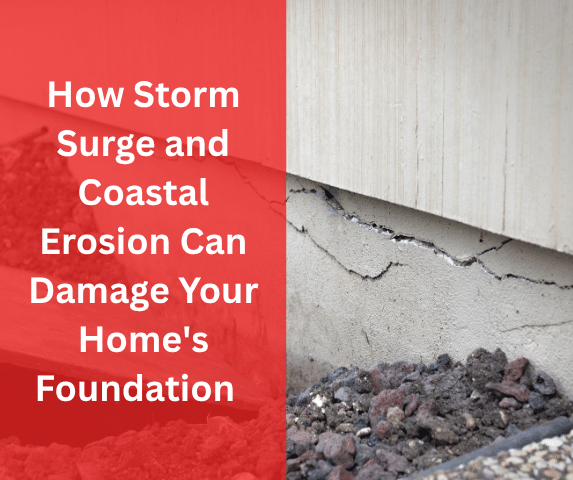
While many homeowners focus on visible storm damage, such as ruined landscaping and debris, a more serious threat may be developing beneath the surface. Excess water and eroding soil can compromise your home’s foundation and structural stability. When water washes away the soil surrounding your home, it can remove essential support from the foundation, potentially leading to settlement, cracks, and other structural problems.
Saber Foundation & Concrete Repair understands the mechanics of soil erosion and can help protect your home and restore peace of mind. Our team will identify your foundation problems and the source of the damage to help prevent further issues.
What Happened to SoCal Coasts?
During recent storms, Southern California experienced heavy rain, high winds, and storm surges. The National Oceanic and Atmospheric Administration explains that storm surge occurs when strong storm winds push seawater toward the shore. Powerful waves can contribute to beach erosion by displacing sand and carrying it offshore. This can leave shorelines narrower and lower, making them more vulnerable to future storms.
Coastal erosion is a concern for Southern California homeowners, particularly in beachfront communities where shifting soil can threaten property stability and increase the risk of foundation problems.
The Federal Emergency Management Agency (FEMA) Coastal Construction Manual explains how coastal flooding creates flood loads, or forces from moving water and waves that strike a property. Flooding and scour can reduce the soil’s ability to support a structure. When soil loses stability, a home’s foundation may become more vulnerable to shifting and settlement.
The Hidden Threat – How Storm Surge and Erosion Attack Your Foundation
Even after storm surges retreat and rainfall stops, the effects on your home’s foundation may continue underground. Soil erosion and excess moisture can compromise foundation stability in several ways.
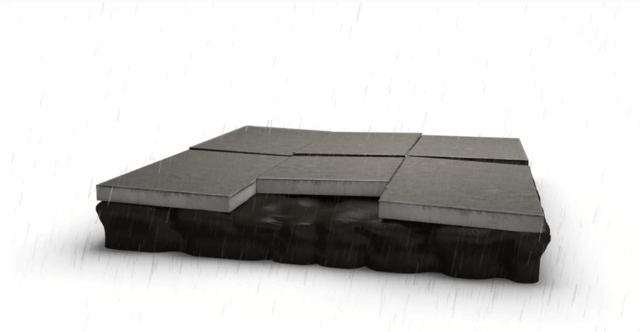
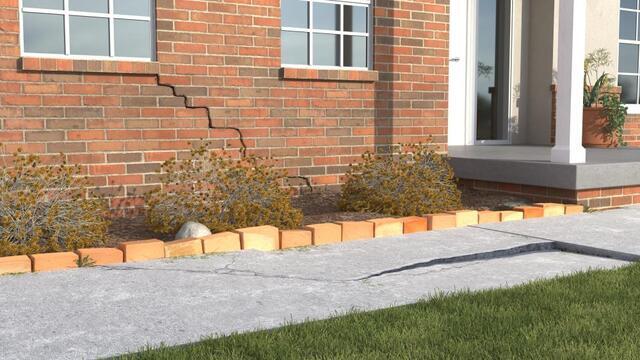
- Soil Washout: Storm surges and heavy rainfall can wash away soil around a foundation or beneath a concrete slab, creating empty spaces, called voids. Without proper support, foundations and concrete slabs may settle, crack, or become uneven.
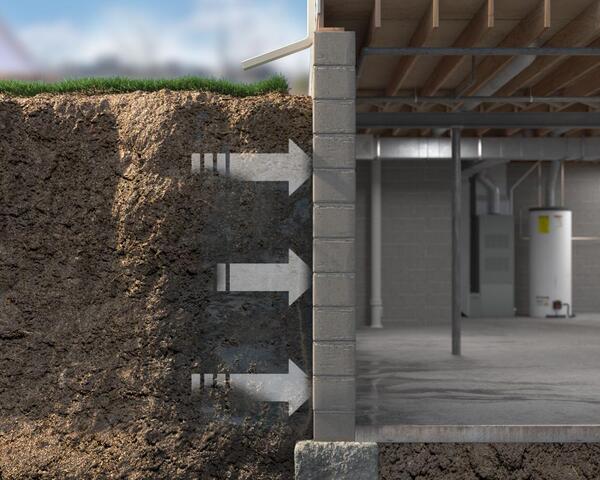
- Hydrostatic Pressure: For homes with basements, saturated soil can create hydrostatic pressure, which pushes water against foundation walls. This pressure can force moisture through porous concrete and existing cracks. In severe cases, it may contribute to water intrusion, foundation wall cracks, and bowing.
- Saltwater and Coastal Corrosion: Coastal flooding can introduce salt into the soil around a home. Chloride ions from saltwater can penetrate porous concrete and contribute to corrosion of embedded steel reinforcement. As the steel rusts and expands, the surrounding concrete can crack, flake, and lose strength. Timely concrete repair can help address damage before it worsens.
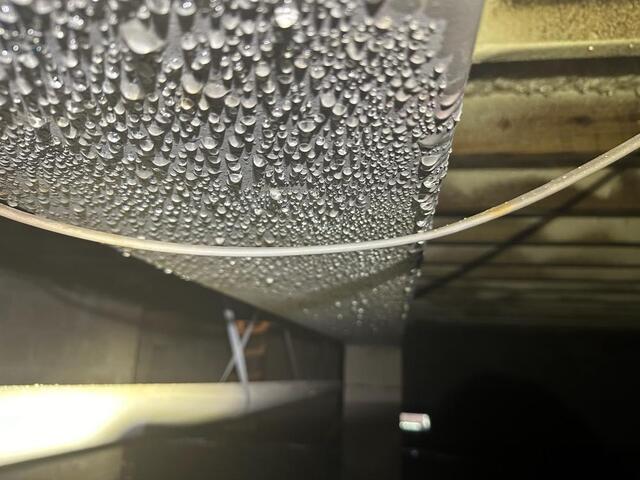
- Crawl Space Vulnerability: Coastal storms and heavy rainfall can allow water to accumulate in crawl spaces beneath homes. Persistent dampness and standing water can contribute to mold growth and wood rot, potentially weakening wooden floor joists. Saturated or shifting soil can also affect support and contribute to sagging floors or other structural problems. Crawl space encapsulation and appropriate moisture-control solutions may help protect against ongoing dampness.
Proactive Steps & Long-Term Prevention for Southern California Homeowners
After a storm, homeowners often clear branches and debris and check the roof. It is just as important to look for signs of foundation or moisture damage. Use this checklist and contact Saber Foundation & Concrete Repair for a professional foundation inspection if you notice any of the following:
- Standing water near the home
- Visible washed-away soil and voids
- Gutter and downspout overflow
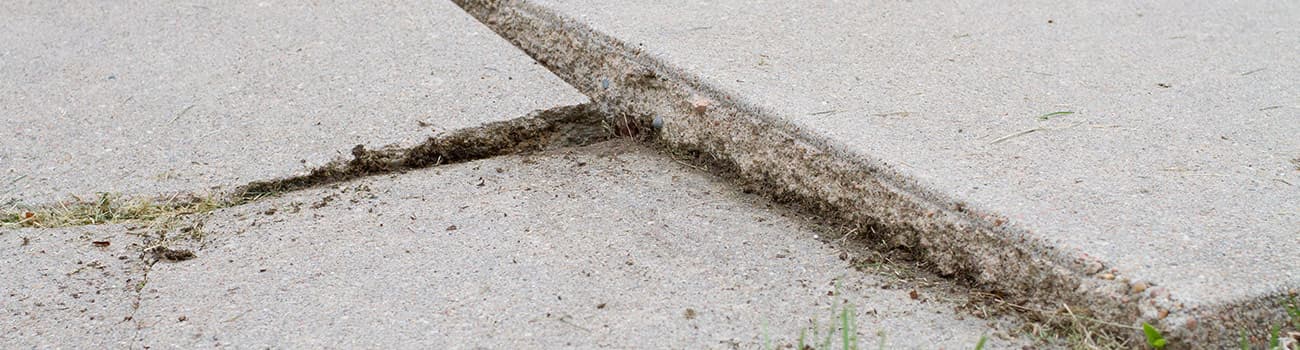
- Sinking or cracked concrete
- Standing water in crawl space or basement
- Bowing walls
- New cracks in crawl space or basement walls
- Sticking doors
- New drywall cracks
When soil washout, shifting soil, or settlement causes structural damage, Saber Foundation & Concrete Repair can help. We use heavy-duty steel foundation supports, including push piers and helical piers, to stabilize settling structures. For sunken concrete, PolyLevel® injection foam can lift concrete and help stabilize the surface. Helical anchors may also help stabilize certain bowing or cracking basement walls.
Partner with Southern California Foundation Experts
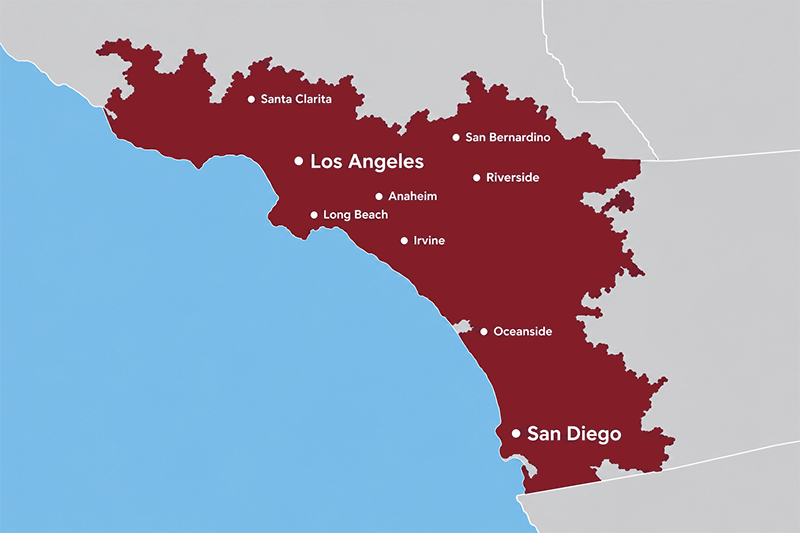
Living along the Southern California coast has many benefits, but coastal homes are also exposed to environmental challenges. Shifting sand, saturated soil, and saltwater exposure can put your home’s foundation at risk. Ignoring signs of soil washout, foundation movement, or concrete deterioration can allow damage to worsen over time.
At Saber Foundation & Concrete Repair, we understand the soil and moisture challenges Southern California homeowners face. Every property is different, and problems such as soil washout, hydrostatic pressure, and concrete deterioration require solutions suited to the home’s conditions. Whether you need foundation piers to stabilize a settling structure or a crawl space encapsulation system to help manage moisture, our team can recommend an appropriate repair approach.
Don’t wait for minor warning signs to become major structural problems. Contact Saber Foundation & Concrete Repair today to schedule your FREE estimate and professional inspection.