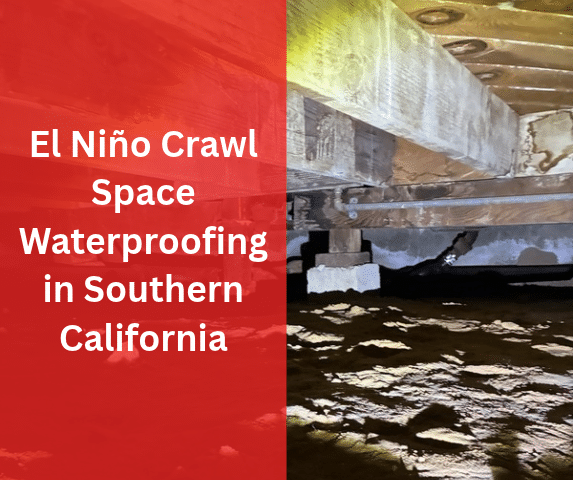
El Niño Crawl Space Waterproofing in Southern California
Between Storms: Is Your Southern California Crawl Space Ready?
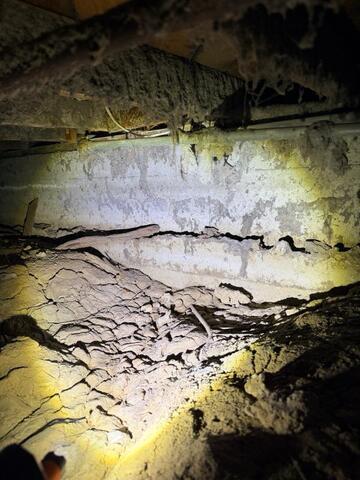
For Southern California homeowners, a break in the rain can feel like the end of a problem. If water entered the crawl space during the latest storm, that dry interval is also an opportunity to find out what happened before the next round of wet weather.
The recent impacts associated with Rachel have brought water concerns back into focus. For homes with raised floors, an important part of storm recovery happens beneath the house, where moisture problems may remain out of sight.
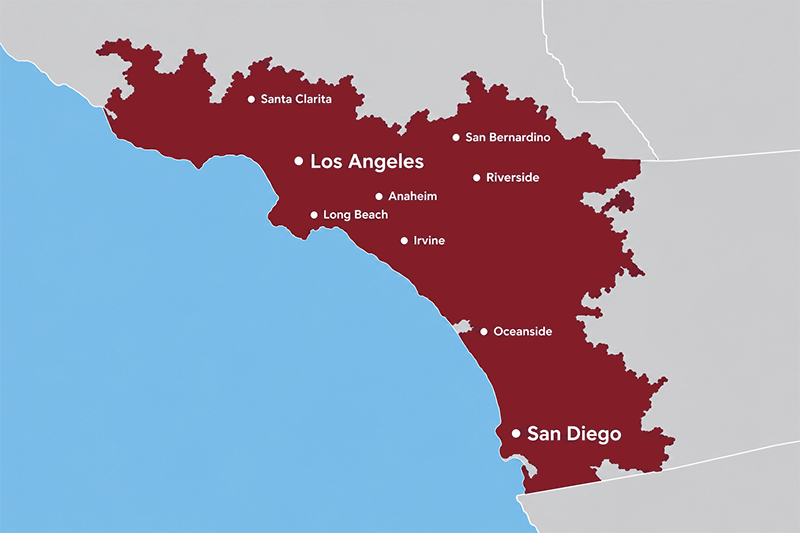
With a strengthening El Niño heading into the 2026–2027 winter, homeowners in San Diego, Orange County, Los Angeles, and nearby communities have a timely reason to evaluate crawl space waterproofing. The useful question is whether the home can manage another storm while the ground and materials beneath it are still damp.
Why the time between storms matters
A crawl space may experience more than a single episode of water intrusion. Water enters during one storm, drains or is removed, and returns when another storm arrives.
If the original source remains unresolved, a dry forecast can provide temporary relief without changing the underlying problem. The same access opening, drainage deficiency, or seepage route may still be present.
A professional evaluation during a break in the weather can document where water collected, look for entry points, and assess whether existing equipment performed as intended. This information helps determine whether the home needs a new system, improvements to an existing one, or repairs outside the crawl space.
Southern California properties need different water-management plans
A coastal home in Long Beach does not necessarily face the same moisture sources as a hillside home in San Diego County or an inland property in Riverside.
On a sloping lot, runoff may approach the home from higher ground. On a flatter property, water may collect near low crawl space openings or remain beside the foundation. Coastal air can also contribute humidity, even when there is no active rain.
These are possible conditions to investigate, rather than assumptions to apply to every neighborhood. The direction of runoff, the height of openings, the layout beneath the floor, and the condition of drains all matter.
For hillside homes, drainage changes should be planned carefully. Redirecting water requires consideration of slope conditions, approved discharge locations, and neighboring properties.
Four questions a crawl space waterproofing evaluation should answer
1. Where is the water coming from?
A wet crawl space can result from roof runoff, surface drainage, seepage, or a plumbing leak. More than one source may be involved.
The inspection should look beyond the wettest spot. The place where water collects may be some distance from where it entered.
Identifying the source helps establish whether exterior corrections, interior drainage, plumbing repairs, or several coordinated measures are needed.
2. How will collected water leave the space?
When an interior drainage system is appropriate, it needs a reliable route to a sump pump and a suitable discharge point.
Saber offers crawl space waterproofing systems that can combine perimeter drainage with sump pumping. These components manage liquid water beneath the house. Their placement and capacity should reflect the crawl space layout and the conditions identified during inspection.
An existing pump should also be evaluated. Its presence alone does not establish that the whole crawl space is protected.
3. What happens during a power interruption?
A pump that depends on household electricity may stop when the power goes out. Where appropriate, a battery backup can provide additional protection during an outage.
Backup protection has limits. Runtime depends on factors such as battery condition and how frequently the pump needs to operate. Inspection and maintenance remain important, including checks of alarms, pump operation, and the discharge route.
This is a useful discussion before another storm, particularly for homeowners who already rely on a sump pump.
4. What will control moisture after the water is removed?
Draining a crawl space does not necessarily eliminate humidity. A complete plan may also include a vapor barrier, appropriate sealing, and a crawl space dehumidifier.
These measures address moisture sources that a pump cannot handle on its own. The equipment should be selected and installed as a coordinated system rather than added without evaluating the rest of the space.
A vapor barrier and a drainage system perform different jobs
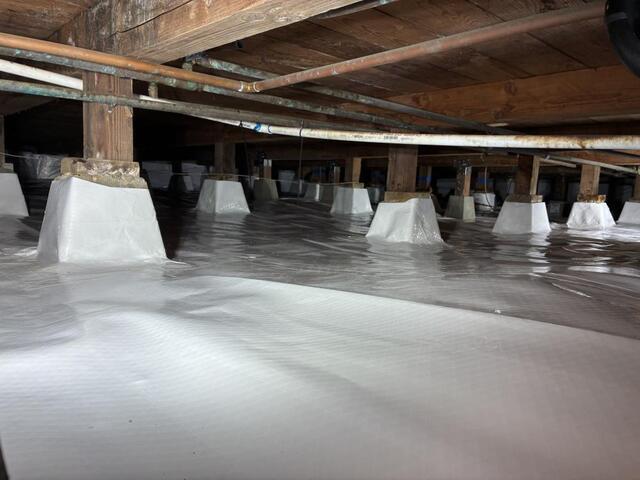
CleanSpace encapsulation can help separate the crawl space from ground moisture and reduce uncontrolled air exchange when installed as part of a properly designed system.
Drainage and sump pumping manage water that reaches the space. A dehumidifier removes moisture from the air. None of these components repairs damaged floor framing or replaces necessary cleanup.
A liner placed over an unresolved water problem may leave water collecting beneath it or reaching its surface. Similarly, a dehumidifier is not a substitute for correcting an active leak.
Saber evaluates how these components should work together so the recommendation addresses the actual moisture conditions beneath the home.
Warning signs that deserve attention before the next storm
A crawl space problem may first become noticeable upstairs. Persistent musty odors, dampness near an access opening, and visible water marks warrant further investigation.
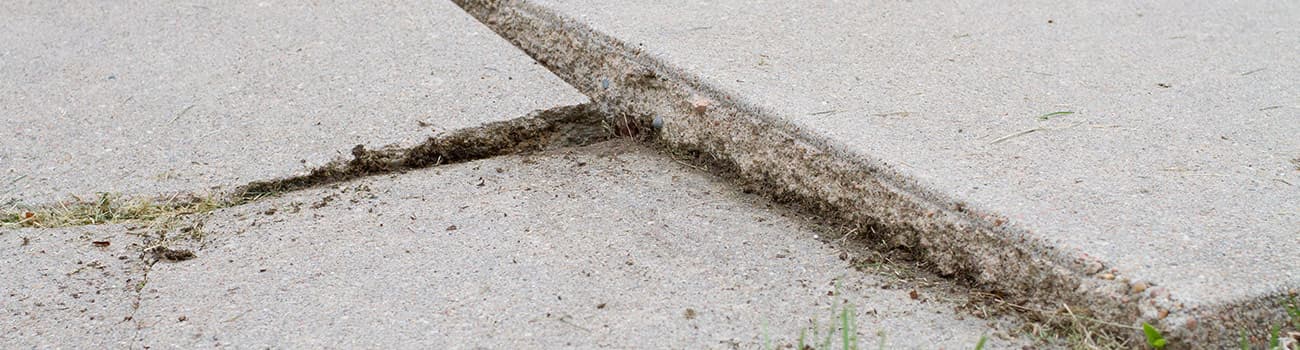
Changes in floor firmness or level also deserve attention. They may indicate an existing support or framing issue, and moisture control alone will not restore damaged structural components.
If your crawl space already has encapsulation or waterproofing equipment, returning symptoms are a reason to have it checked. Damaged seams, new leaks, or equipment problems can affect performance.
Avoid entering a flooded crawl space. Where floodwater, suspected contamination, or structural damage is involved, qualified professionals should assess the conditions and the appropriate cleanup.
Plan for El Niño without assuming every storm will flood your home
NOAA’s October 8, 2026, outlook indicates that a strong to very strong El Niño is likely to continue through January–March 2027. Scripps researchers explain that El Niño can increase the likelihood of a wet Southern California winter, but local outcomes remain variable.
That makes preparation useful without treating a seasonal forecast as a prediction for an individual house. Ordinary crawl space waterproofing also should not be represented as protection against coastal storm surge or every extreme flood.
The practical starting point is your property’s recent performance. Did water enter? Did odors return? Did the pump run as expected? Answers to those questions can guide the next step.
Use the dry interval to prepare your crawl space
If recent storms exposed moisture beneath your home, contact Saber Foundation & Concrete Repair for a crawl space waterproofing evaluation.
Our team serves Southern California communities including San Diego, Los Angeles, Long Beach, Santa Ana, and surrounding areas. We can assess water entry, drainage needs, encapsulation, humidity control, and related structural concerns.
A break in the weather provides time to address the weaknesses the latest storm revealed and prepare a more complete plan before wet conditions return.